

How does virtual simulation work?
Traditional crash tests have played an important role in vehicle safety development for decades; however, they are extremely costly and time-consuming. With the advancement of digital technologies, engineers can now conduct crash analyses using computer modeling and artificial intelligence.
During virtual simulations, software creates realistic accident scenarios and analyzes the response of safety systems such as airbags, collision sensors, and braking systems. This helps automakers design more precise and effective protection systems.
Advantages of virtual testing
Digital accident simulation offers several advantages:
Cost efficiency: Physical crash tests are extremely expensive. In a single collision test, an entire vehicle is destroyed, while virtual simulation can significantly reduce these costs.
Faster development: Digital models allow engineers to fine-tune safety systems more quickly, enabling new vehicle models to reach the market in a shorter time.
Broader testing possibilities: Unlike real-world tests, simulations allow for an almost unlimited number of accident scenarios, including situations that would be difficult to reproduce in reality.
Environmentally friendly solution: Virtual testing requires fewer physical resources, making it a more sustainable alternative to traditional crash tests.
Future opportunities
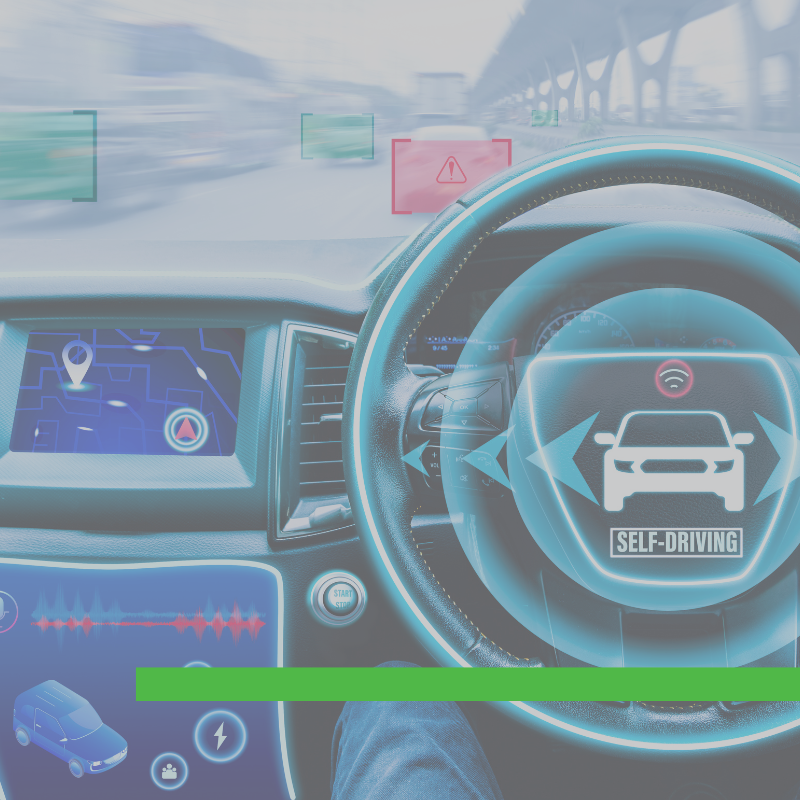
Virtual accident simulation plays a key role not only in the development of conventional vehicles but also in autonomous driving technologies. Artificial intelligence continuously learns from these tests, enabling future vehicles to respond more intelligently to hazardous traffic situations.
Overall, virtual accident simulation is an extremely effective tool for improving vehicle safety. For automakers, it not only reduces costs and shortens development cycles, but ultimately leads to safer vehicles and potentially fewer road accidents.
Source: Autopro